
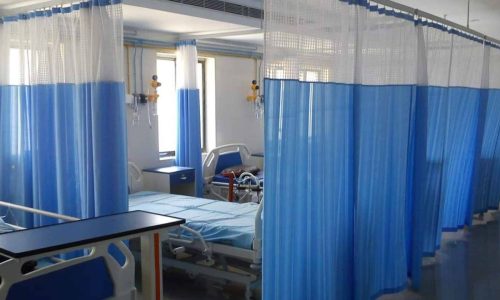
Hospital curtains play a crucial role in maintaining privacy, controlling infection spread, and enhancing the overall hygiene standards within healthcare facilities. However, they can also serve as breeding grounds for harmful pathogens if not properly maintained. In environments like hospitals, where cleanliness is paramount, implementing effective maintenance practices for hospital curtains is essential. In this blog, we’ll delve into the best practices for maintenance Hospital Curtains in Dubai
to ensure they remain clean and safe for patients and staff alike.

Importance of Hospital Curtains
In Dubai, a bustling metropolis known for its advanced healthcare infrastructure, hospital curtains are integral components of infection control protocols. With a diverse population and a constant influx of visitors, hospitals in Dubai face unique challenges in maintaining cleanliness and preventing the spread of infections. Hospital curtains act as barriers, separating patients and providing privacy in shared spaces, such as wards and examination rooms. However, they can also harbor bacteria and viruses if not cleaned and maintained regularly, posing a risk to patient safety.
Best Practices for Hospital Curtain Maintenance
Regular Cleaning Schedule:
Establishing a routine cleaning schedule is crucial for maintaining the cleanliness of hospital curtains. Depending on the level of usage and risk of contamination, curtains should be cleaned weekly or bi-weekly. In high-risk areas such as intensive care units (ICUs) and operating rooms, more frequent cleaning may be necessary.
Use of Antimicrobial Fabrics:
Opting for antimicrobial curtains can help inhibit the growth of bacteria and fungi, reducing the risk of healthcare-associated infections (HAIs). Antimicrobial fabrics are designed to withstand repeated cleaning without losing their effectiveness, making them ideal for use in healthcare settings.
Proper Handling and Storage:
Hospital curtains should be handled with care to prevent contamination. Staff members responsible for curtain maintenance should wear gloves and follow proper hygiene protocols when handling soiled curtains. After removal, curtains should be stored in designated areas away from patient care areas to prevent cross-contamination.
Laundering Guidelines:
When laundering hospital curtains, it’s essential to follow manufacturer guidelines and use appropriate detergents and disinfectants. Hot water washing combined with a disinfectant solution is effective in removing stains and killing bacteria. Additionally, curtains should be dried thoroughly to prevent the growth of mold and mildew.
Inspections and Replacement:
Regular inspections should be conducted to identify signs of wear and tear, such as fraying or discoloration. Damaged curtains should be promptly replaced to maintain the integrity of the infection control barrier. In Dubai, where healthcare standards are stringent, hospitals must adhere to regulations regarding the replacement of worn-out curtains to ensure patient safety.

Conclusion
Maintaining clean and safe hospital curtains is essential for preventing the spread of infections and upholding hygiene standards within healthcare facilities. In Dubai, where healthcare infrastructure is advanced, hospitals must prioritize effective curtain maintenance to protect patients and staff from potential harm. By implementing regular cleaning schedules, using antimicrobial fabrics, practicing proper handling and storage, following laundering guidelines, and conducting routine inspections, hospitals can ensure that their curtains remain effective barriers against pathogens. With these best practices in place, hospitals in Dubai can continue to provide high-quality care in a clean and safe environment.